The fitness industry wants you to believe you need a rack, a bench and a wall of machines. You don’t. A smart home gym is small, cheap and built around a handful of tools that each do a dozen jobs.
1. A set of resistance bands
Bands are the best value in fitness. They add resistance to squats and bridges, assist pull-ups, and make rows and presses possible without any weights at all. A five-level loop set costs less than a takeaway and fits in a drawer.
2. One or two kettlebells
A single kettlebell can deliver swings, goblet squats, presses, rows, carries and Turkish get-ups. Start with a moderate weight you can press overhead about eight times — most people go too heavy on day one.
3. Adjustable or fixed dumbbells
If you have the budget, a pair of dumbbells unlocks hundreds of exercises. Hex dumbbells don’t roll away, and neoprene-coated pairs are kind to floors in flats and spare rooms.
4. A doorway pull-up bar
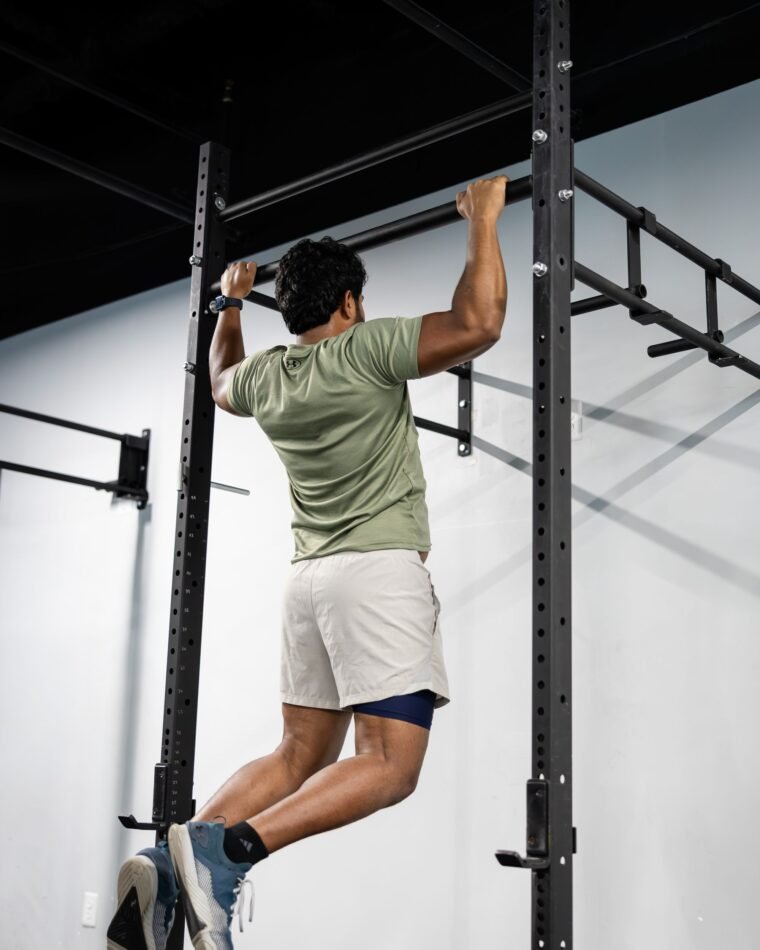
Pulling movements are the gap in most home routines. A doorway bar fixes that for very little money and no drilling. Can’t do a pull-up yet? Loop a band over the bar for assistance and work on slow negatives.
5. A thick mat
It sounds boring, but a good mat is what makes floor work comfortable enough that you actually do it. Cushioning for knees and hips matters more than fancy prints.
What to skip
- Single-purpose gadgets like ab rockers and toning belts.
- Huge cardio machines until you know you’ll use them — a jump rope gives you a brutal conditioning session for pocket change.
- Buying everything at once. Start with bands and one weight, train for a month, then add what you genuinely miss.
Fitting it in
A one-metre-square corner, a basket for bands and a wall hook for the rope is all the space this takes. Keep it visible: kit you can see is kit you use.