Tabata Explained: The 4-Minute Finisher That Actually Works

Tabata is the most famous four minutes in fitness. Done right, it’s also one of the hardest. The format is simple: 20 seconds of all-out effort, 10 seconds of rest, repeated eight times.
Where it comes from
The protocol is named after research led by Dr Izumi Tabata in the 1990s, which found that short, very intense intervals improved both aerobic and anaerobic fitness. The key word is intense: the original work was performed at a level most people never reach in a regular class.
Picking the right moves
Choose exercises that use lots of muscle and that you can perform safely when tired. Great options at home include:
- Squat jumps or fast bodyweight squats
- Mountain climbers
- Burpees (with or without the push-up)
- High knees
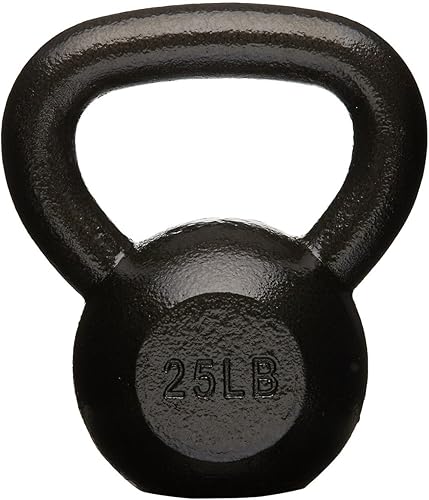
- Kettlebell swings, if you’ve learned the hinge
Avoid complex lifts or anything where sloppy form under fatigue could hurt you.
How to use it
Treat Tabata as a finisher at the end of a strength session, or as a stand-alone quick hit on a busy day. Two or three Tabata blocks a week is plenty — any more and the quality drops.
Try it now
We built a Tabata timer right into the FitBody homepage. Press start, follow the moves on screen and listen for the beeps. Four minutes from now, you’ll understand exactly why people love — and fear — this format.
If you can talk during the work intervals, you’re not doing Tabata. You’re doing intervals. Both are good — just be honest about which.